Essential car maintenance for used-car owners who stay consistent can make a major difference in how well a vehicle performs over time. A used car can offer excellent value, but protecting that investment requires regular attention to the systems that keep it running safely and efficiently.
From oil changes and tire care to brake inspections and fluid checks, routine maintenance helps reduce wear, lower the risk of costly repairs, and support long-term reliability. For drivers who want to get the most from their vehicle, understanding the basics of ongoing care is an important part of responsible ownership and maximizing a used car’s longevity.
How to Maintain Used Car Performance With a Consistent Routine
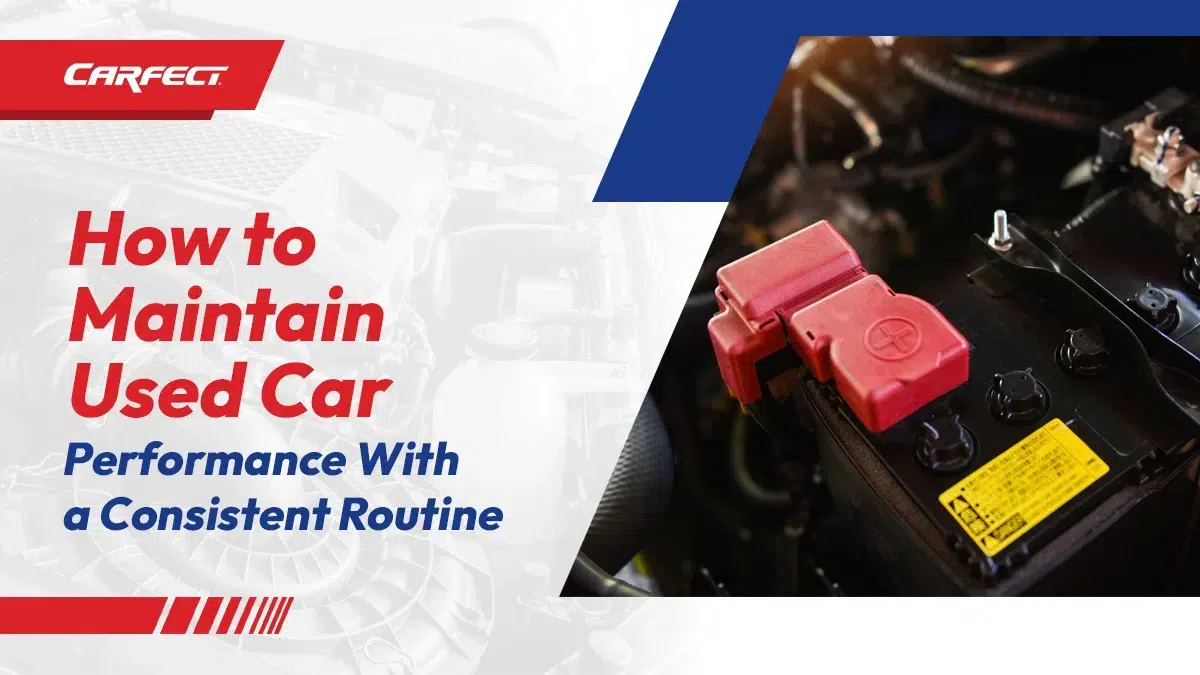
Learning how to maintain used car performance starts with consistency. A used vehicle can continue to run well for many years when routine care is handled on time and small issues are addressed before they become larger problems. The goal is not only to keep the car running, but to help it stay safe, efficient, and dependable through everyday use.
Focus on the Basics First
A consistent maintenance routine begins with the essentials. These are the tasks that support engine health, driving safety, and overall performance over time. Owners should stay attentive to:
- Oil and filter changes
- Tire pressure and tread condition
- Brake performance
- Fluid levels
- Battery condition
- Dashboard warning lights
Keeping up with these basics can help reduce wear and support smoother daily driving.
Pay Attention to Changes in How the Car Feels
A used car often gives early signs when something needs attention. Small changes in sound, handling, or performance should not be ignored. It is helpful to watch for issues such as:
- Rough starting
- Vibrations while driving
- Unusual engine noises
- Reduced fuel efficiency
- Braking changes
- Warning lights that remain on
Catching these warning signs early can help prevent more expensive repairs later.
Create a Routine You Can Follow
The best maintenance plan is practical and easy to keep up with. Some owners follow the manufacturer’s schedule, while others build reminders around mileage, seasons, or monthly checks. A simple routine may include checking fluids once a month, monitoring tire condition regularly, and scheduling inspections at recommended intervals.
It can also help to keep service records organized. A clear history of oil changes, tire rotations, brake service, and inspections makes it easier to stay on track and understand what the vehicle may need next.
Used Car Care Tips Every Owner Should Follow Throughout the Year
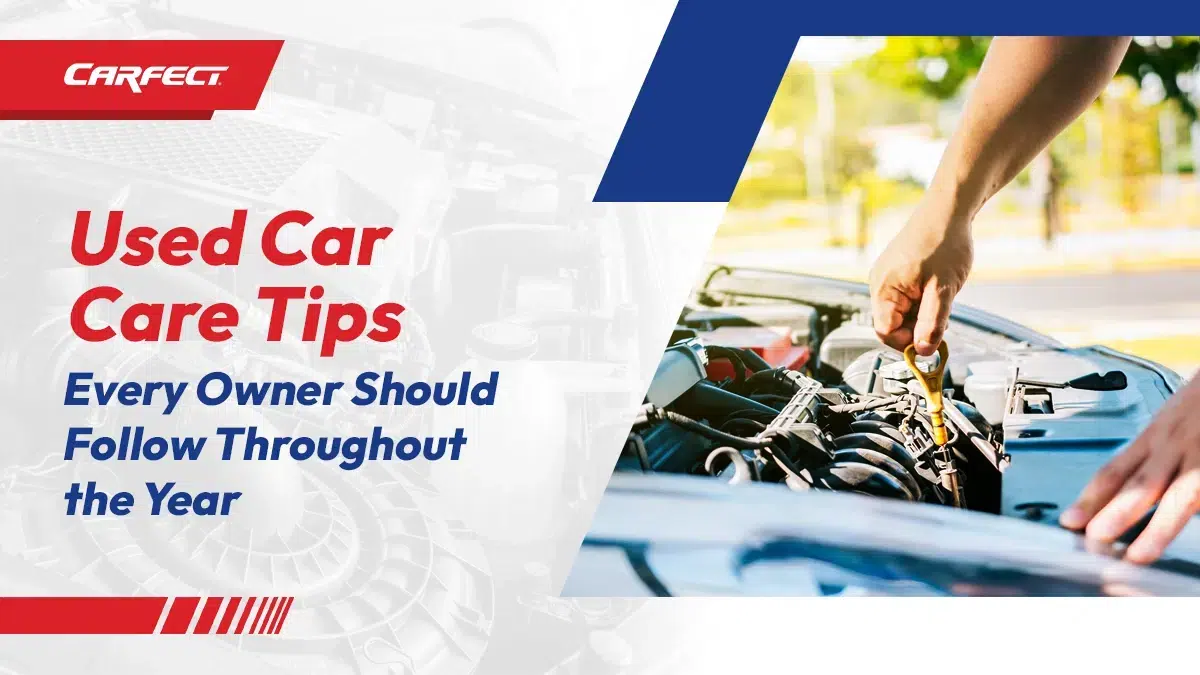
Consistent care throughout the year can make a major difference in how a used vehicle performs, how safely it drives, and how long it continues to serve you well. The best used-car care tips are often the simplest ones, especially when they become part of a routine rather than something put off until a problem arises.
Stay Consistent With Routine Checks
A few quick checks done regularly can help owners catch small issues before they become expensive repairs. It is helpful to make time for the basics, including:
- Checking oil and fluid levels
- Monitoring tire pressure
- Inspecting tread wear
- Testing lights and signals
- Listening for unusual sounds
- Watching for dashboard warning lights
These small habits improve performance and reduce the risk of unexpected breakdowns.
Adjust Care With the Seasons
Used car maintenance should also reflect the time of year. Seasonal changes can affect tire pressure, battery strength, fluid performance, and overall drivability. During colder months, batteries, wipers, and tire condition often need closer attention. In warmer weather, it is wise to check coolant levels, air conditioning performance, and tire wear more carefully.
By adjusting your routine as conditions change, you help your vehicle stay more dependable throughout the year.
Keep the Vehicle Clean Inside and Out
Vehicle care is not only mechanical. Keeping the car clean also supports long-term value and condition. Washing away dirt, road salt, and debris can help protect the exterior, while cleaning the interior can preserve surfaces and make it easier to notice wear or leaks early.
Helpful cleaning habits include:
- Washing the exterior regularly
- Cleaning the interior surfaces
- Removing clutter from floors and seats
- Checking for moisture or unusual odors
- Protecting upholstery from excess wear
Build Habits That Support Longevity
Good ownership is often about consistency more than complexity. When used car care becomes part of your yearly routine, the vehicle is more likely to remain reliable, efficient, and comfortable to drive. These everyday habits help reduce unnecessary wear, support safer driving, and make it easier to protect the value and longevity of your used car.
Extend Used Car Life With Preventive Maintenance Habits
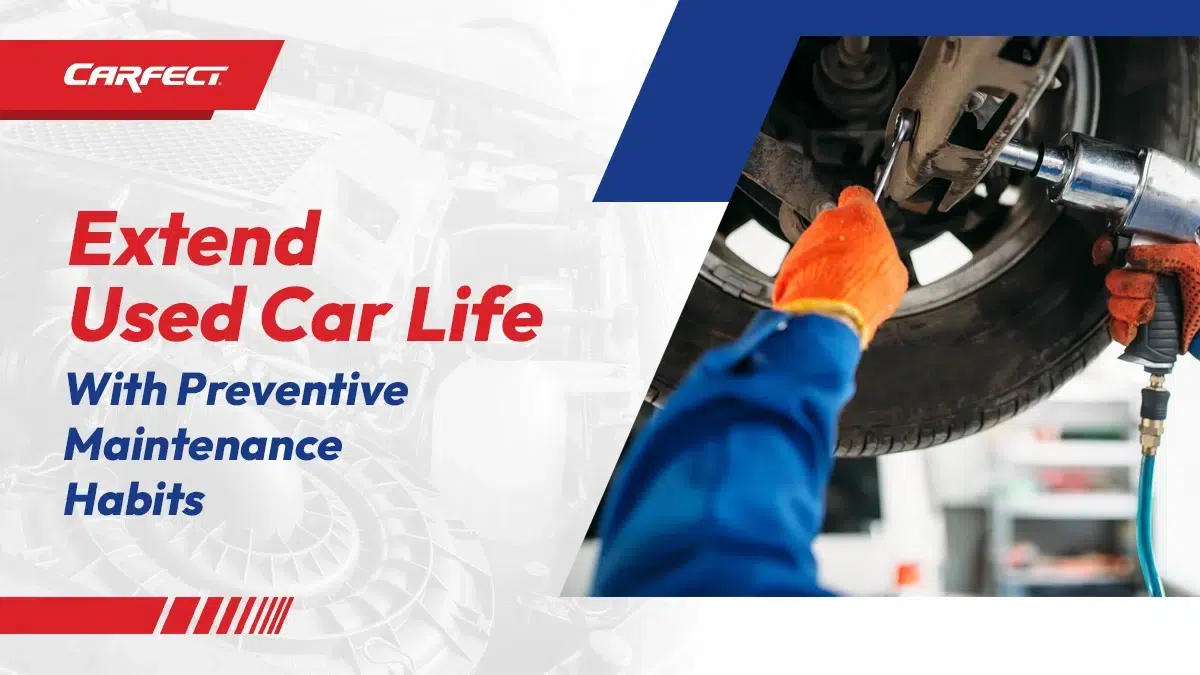
If you want to extend the life of a used car, preventive maintenance is one of the most important habits you can build. A used vehicle often has many dependable years left, but long-term performance usually depends on how well it is cared for before serious problems develop. Preventive maintenance helps reduce wear, improve reliability, and lower the risk of costly repairs that could shorten the vehicle’s life.
Address Small Issues Before They Grow
Minor concerns can quickly escalate into larger mechanical problems when ignored. A small fluid leak, a worn belt, a weak battery, or an unusual noise may not seem urgent at first, but early attention can prevent more costly damage later.
Important issues to monitor include:
- Engine warning lights
- Fluid leaks under the vehicle
- Squeaking or grinding brakes
- Uneven tire wear
- Battery weakness
- Changes in steering or suspension feel
Responding early can protect both safety and the long-term condition of the vehicle.
Follow Service Intervals Consistently
One of the best preventive habits is staying on schedule with maintenance based on mileage and time. Oil changes, filter replacements, fluid service, and brake inspections all play an important role in helping major systems operate properly.
A practical preventive routine may include:
- Changing oil and filters on time
- Rotating tires regularly
- Checking and topping off fluids
- Replacing worn belts or hoses
- Inspecting brakes and battery condition
- Scheduling periodic full-vehicle inspections
These steps support smoother performance and reduce unnecessary strain on key components.
Long-Term Reliability Starts With Consistent Care
Used cars often last longer when maintenance is proactive rather than reactive. Preventive habits help protect the engine, transmission, brakes, tires, and other essential systems that affect everyday dependability. Over time, this approach can extend the vehicle’s useful life, improve driving confidence, and help owners get greater lasting value from their investment.
Oil Changes, Fluid Checks, and Filter Replacements That Matter Most
Routine service plays a significant role in keeping a used car reliable. Among the most important maintenance tasks are oil changes, fluid checks, and filter replacements. These may seem simple, but they help protect the engine, support performance, and reduce the chance of unnecessary wear over time. For used car owners, staying consistent with these basics can make a meaningful difference in both longevity and day-to-day drivability.
Why Oil Changes Should Never Be Delayed
Engine oil helps lubricate moving parts, reduce heat, and minimize friction inside the engine. Over time, oil breaks down and is less effective, especially in an older vehicle with more mileage. Delaying oil changes can increase engine strain and accelerate wear.
Regular oil service helps:
- Protect engine components
- Support smoother performance
- Reduce buildup and contamination
- Improve long-term reliability
- Lower the risk of major engine damage
Following the recommended service interval for your vehicle is one of the most valuable habits you can maintain.
Fluids That Need Regular Attention
In addition to engine oil, a few other fluids play an important role in keeping a used car running properly. Each one supports a different system, and low or deteriorated fluid can affect safety, efficiency, and overall performance.
Important fluids to monitor include:
- Coolant
- Brake fluid
- Transmission fluid
- Power steering fluid
- Windshield washer fluid
Checking these regularly can help identify leaks, low levels, or signs that service may be needed before problems become more serious.
Filters That Help Protect Performance
Filters help keep harmful dirt, debris, and contaminants out of important systems. When filters become clogged or worn, the vehicle may not run as efficiently. Depending on the car, important filters may include the engine air filter, cabin air filter, fuel filter, and oil filter.
Conclusion
Taking care of a used vehicle is one of the most effective ways to protect its performance, safety, and long-term value. From routine oil changes and fluid checks to tire care, brake inspections, and preventive maintenance habits, each step contributes to a more dependable ownership experience. A consistent approach can help reduce avoidable repairs, improve daily driving, and extend the vehicle’s lifespan. For used car owners, regular maintenance is not only about preserving the car itself. It is also about making a smart investment in reliability and peace of mind.
Keep your next vehicle choice focused on long-term value. Contact Carfect at (618) 851-1283 or visit https://carfect.com/contact-us/ to get started.